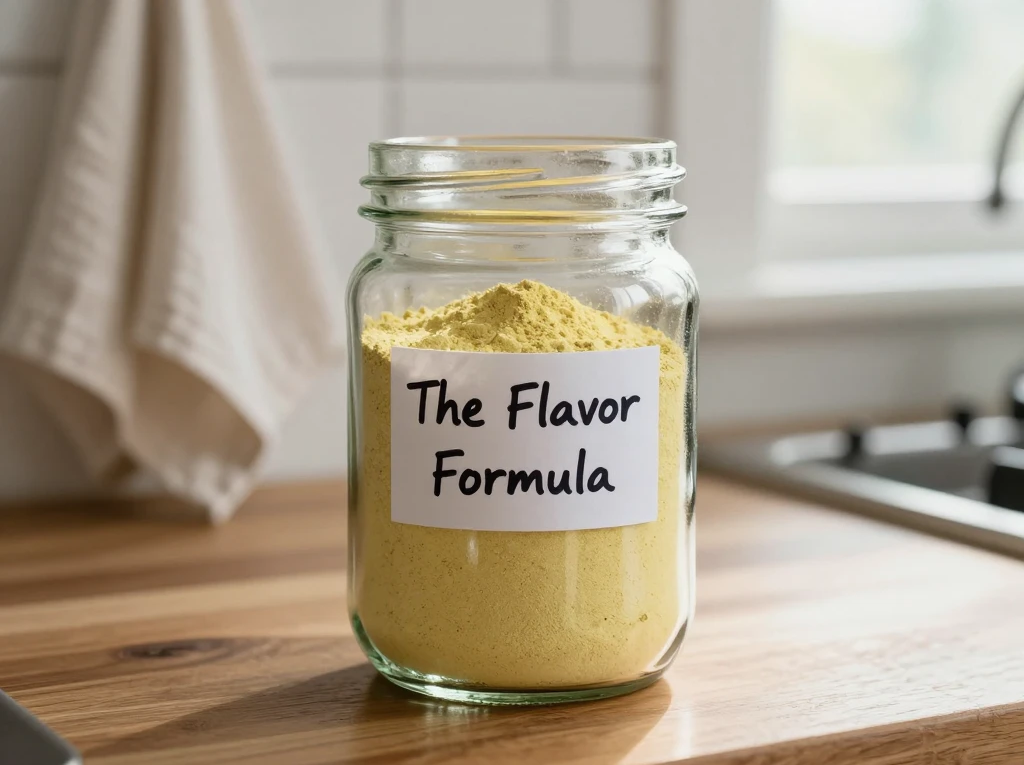
The Flavor Formula: Unlock the Secret to Creating Delicious Meals Every Time
Great cooking is not just about following recipes; it is about understanding the hidden formula behind amazing flavors. Every memorable dish has a perfect combination of ingredients, techniques, balance, and creativity.
Whether you are preparing a simple home meal or an impressive dinner for guests, knowing The Flavor Formula can help you transform ordinary ingredients into extraordinary dishes.
Flavor is the heart of cooking. It creates emotions, brings people together, and turns everyday meals into unforgettable experiences. Once you understand how flavors work together, you can cook with more confidence and creativity.
What Is The Flavor Formula?
The Flavor Formula is the combination of different elements that create a perfectly balanced dish. Professional chefs use this approach to build layers of taste, aroma, and texture.
A successful flavor formula includes:
- Quality ingredients
- Balanced seasoning
- Proper cooking techniques
- Complementary flavors
- Perfect textures
When these elements work together, even simple food can taste incredible.
Understanding the Five Basic Tastes
The foundation of flavor begins with understanding the five basic tastes:
Sweet
Sweet flavors add comfort and balance. Ingredients like fruits, honey, carrots, and caramelized onions naturally provide sweetness.
Salty
Salt enhances other flavors and brings ingredients to life. The right amount of salt can make a dish more enjoyable.
Sour
Sour flavors add freshness and brightness. Lemon, vinegar, and yogurt are common ingredients used to create balance.
Bitter
Bitter flavors add complexity. Certain vegetables, herbs, and spices create depth when used correctly.
Umami
Umami provides a rich and satisfying taste. Ingredients such as mushrooms, tomatoes, cheese, and soy-based products naturally contain umami.
A great dish usually combines several of these tastes in harmony.
The Secret of Flavor Balance
The biggest difference between an average dish and an amazing dish is often balance.
A meal can become boring when one flavor dominates too much. Professional cooks create harmony by adjusting different elements.
For example:
- A spicy dish may need sweetness.
- A rich dish may need acidity.
- A sweet dish may need a little salt.
- A heavy meal may need fresh herbs.
Balance is the true secret behind delicious cooking.
Choosing the Right Ingredients
Every great flavor formula starts with quality ingredients.
Fresh ingredients naturally create better taste and texture. When possible:
- Choose seasonal vegetables
- Use fresh herbs
- Store spices correctly
- Select high-quality basics
Even simple recipes become more flavorful when made with better ingredients.
The Power of Herbs and Spices
Herbs and spices are the hidden tools that create unforgettable flavors.
Fresh Herbs
Fresh herbs add brightness and aroma.
Examples:
- Basil
- Coriander
- Parsley
- Mint
Spices
Spices create warmth, depth, and personality.
Popular choices include:
- Cumin
- Turmeric
- Paprika
- Cinnamon
- Black pepper
Learning how to combine herbs and spices allows you to create your own unique flavor style.
Building Layers of Flavor
Professional chefs rarely depend on one ingredient for taste. Instead, they build layers of flavor throughout the cooking process.
A simple way to build flavor:
- Start with aromatic ingredients like garlic and onions.
- Add spices to release their aroma.
- Cook ingredients using the right technique.
- Finish with fresh flavors.
Each step adds another dimension to the final dish.
Cooking Techniques That Improve Flavor
The way you cook ingredients can completely change their taste.
Roasting
Roasting creates rich flavors by bringing out natural sweetness and creating beautiful textures.
Perfect for:
- Vegetables
- Meat
- Nuts
- Potatoes
Grilling
Grilling adds smoky flavor and attractive texture.
Slow Cooking
Slow cooking allows ingredients to combine and develop deeper flavors over time.
Sautéing
Sautéing quickly cooks ingredients while preserving their flavor and texture.
Choosing the right technique is an important part of the flavor formula.
The Role of Texture in Great Cooking
Flavor is not only about taste. Texture also affects how enjoyable food feels.
A memorable dish often includes different textures:
- Crispy toppings
- Creamy sauces
- Tender ingredients
- Fresh elements
For example, a creamy pasta dish becomes more exciting with crunchy toppings or fresh herbs.
Texture creates a complete eating experience.
The Importance of Aroma
Before tasting food, we experience its aroma. Smell plays a major role in how we perceive flavor.
Improve aroma by:
- Cooking spices properly
- Using fresh herbs
- Adding ingredients at the right time
- Avoiding burnt flavors
A beautiful aroma makes food more inviting.
Chef Secrets for Creating Better Flavors
Professional chefs follow simple principles that anyone can use.
Taste While Cooking
Do not wait until the end. Taste your food during preparation and adjust flavors as needed.
Use Finishing Touches
Small additions can make a big difference:
- A squeeze of lemon
- Fresh herbs
- A drizzle of oil
- A sprinkle of spices
Do Not Overcomplicate Recipes
Sometimes the best flavors come from simple combinations prepared correctly.
Common Flavor Mistakes to Avoid
Improving your cooking also means avoiding common mistakes.
Adding Too Many Ingredients
More ingredients do not always mean better flavor. Too many flavors can become confusing.
Ignoring Seasoning
Even great ingredients need proper seasoning.
Cooking Without Planning
Good preparation creates better results.
Using Old Spices
Spices lose their strength over time. Fresh spices create stronger flavors.
Creating Your Own Flavor Formula
Every cook can develop a personal flavor style.
Experiment by:
- Trying new ingredients
- Exploring different cuisines
- Combining unusual flavors
- Keeping notes about successful recipes
Your unique cooking style develops through curiosity and practice.
Simple Flavor Upgrades for Everyday Meals
You can improve ordinary dishes with small changes:
- Add fresh herbs to soups and salads.
- Improve sauces with spices.
- Use roasted ingredients for deeper flavor.
- Add texture with nuts or crunchy toppings.
- Balance rich foods with fresh ingredients.
Small improvements can create restaurant-quality results.
Final Thoughts: Master The Flavor Formula
The Flavor Formula is the key to creating meals that people remember. Great cooking is not about complicated recipes; it is about understanding balance, ingredients, techniques, and creativity.
When you learn how flavors work together, your kitchen becomes a place of endless possibilities. With practice and curiosity, you can transform simple ingredients into delicious experiences.
The secret to incredible cooking is not hidden in expensive equipment or difficult recipes — it is found in understanding the perfect balance of flavor.