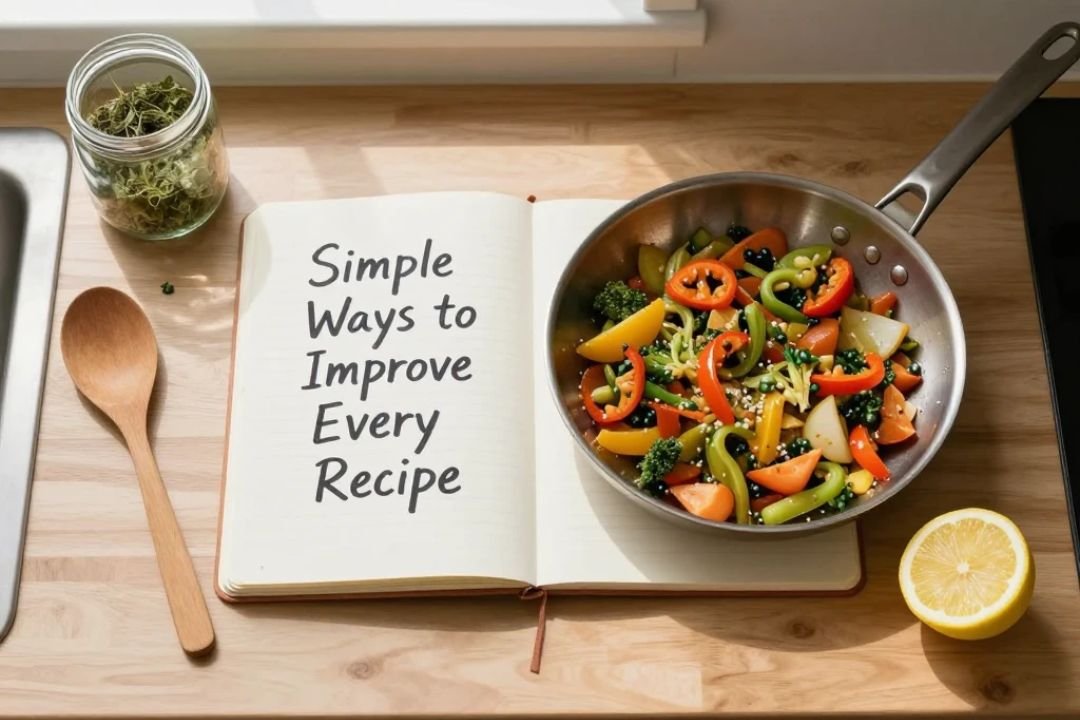
Smart Cooking Tips & Tricks: Simple Ways to Improve Every Recipe
Introduction
Cooking does not have to be complicated to produce delicious results. With the right cooking tips and tricks, even simple ingredients can become flavorful, satisfying meals. Whether you are a beginner learning basic kitchen skills or an experienced home cook looking for better results, small changes in preparation, seasoning, cooking techniques, and presentation can make a big difference.
Smart cooking is not about following complicated rules. It is about understanding how ingredients behave and learning simple techniques that make cooking easier, faster, and more consistent. From preparing ingredients correctly to controlling heat and seasoning food at the right time, these practical methods can help improve almost every recipe.
In this guide, you will discover useful smart cooking tips, kitchen techniques, meal-preparation ideas, seasoning secrets, and common mistakes to avoid. These tips can help you cook with more confidence and create better homemade meals every day.
1. Read the Entire Recipe Before Cooking
One of the easiest ways to improve your cooking is to read the complete recipe before starting.
Many cooking mistakes happen because people begin preparing ingredients without checking the full instructions. A recipe may require marinating meat, preheating the oven, resting dough, or preparing ingredients in advance.
Reading the recipe first helps you understand:
- Cooking time
- Preparation time
- Required ingredients
- Cooking temperature
- Required equipment
- The order of cooking steps
This simple habit can make the entire cooking process smoother and more organized.
2. Prepare Ingredients Before You Start
Professional cooks often prepare their ingredients before turning on the stove. This technique is commonly known as mise en place, which means putting everything in its place.
Chop vegetables, measure spices, prepare sauces, and organize ingredients before cooking.
This is especially useful for recipes that require quick cooking. Stir-fries, pasta sauces, curries, and many skillet recipes can come together quickly, so having everything ready prevents ingredients from burning while you search for something else.
Preparing ingredients in advance also reduces kitchen stress and makes cooking more enjoyable.
3. Use the Right Amount of Heat
Heat control is one of the most important cooking skills.
Using extremely high heat does not always make food cook better or faster. High heat can burn the outside of food while leaving the inside undercooked.
Use different heat levels depending on the recipe:
- Low heat: Slow cooking, melting, simmering, and keeping food warm
- Medium heat: Sautéing vegetables, cooking sauces, and many everyday dishes
- Medium-high heat: Browning meat and roasting vegetables
- High heat: Certain stir-fries, boiling water, and quick searing
Learning how your stove behaves can dramatically improve your results.
4. Season Food Gradually
Seasoning is one of the most powerful ways to improve a recipe.
Instead of adding a large amount of salt or seasoning at once, season gradually and taste when appropriate. Different ingredients can change the overall flavor as they cook.
Salt can enhance the natural flavor of vegetables, meat, grains, soups, and sauces. Herbs and spices can add complexity and character.
A good cooking habit is to taste your food during the cooking process when it is safe and appropriate to do so. This allows you to adjust seasoning before serving.
5. Do Not Overcrowd the Pan
Overcrowding a pan is a common mistake, particularly when cooking meat or vegetables.
When too many ingredients are placed in a pan at once, they release moisture and lower the cooking temperature. Instead of browning, the food may steam.
For better browning, give ingredients enough space.
If you are cooking a large amount of food, consider working in batches. It may take slightly longer, but the improved texture and flavor are usually worth the effort.
6. Preheat Your Pan or Oven
Preheating is another simple cooking technique that can improve results.
A properly preheated oven helps baked foods cook more evenly. A hot pan can create better browning when cooking meat and vegetables.
For many recipes, allow the oven to fully reach the recommended temperature before putting food inside.
Similarly, allow your pan to heat appropriately before adding ingredients, while being careful not to overheat oils or cookware.
7. Learn How to Use Salt Correctly
Salt does much more than make food taste salty. It can enhance flavors and help balance a dish.
However, the timing and amount matter.
Some foods benefit from seasoning before cooking, while others may need adjustments during or after cooking.
When preparing soups, sauces, pasta dishes, roasted vegetables, and meats, taste the food throughout the process and adjust gradually.
Remember that ingredients such as cheese, sauces, canned foods, and prepared stocks may already contain salt.
8. Balance Flavors Instead of Adding More Seasoning
If a dish tastes flat, adding more salt is not always the solution.
Good cooking often depends on balancing different flavor elements:
- Salty
- Sweet
- Sour
- Bitter
- Savory
- Spicy
A small amount of lemon juice or vinegar can brighten a rich dish. A little sweetness can balance acidity or spice. Fresh herbs can add freshness to heavy meals.
Learning flavor balance is one of the most useful cooking tips for beginners and experienced cooks.
9. Use Fresh Herbs for Better Flavor
Fresh herbs can transform simple meals.
Parsley, cilantro, basil, mint, rosemary, thyme, and other herbs can add freshness and aroma.
Some herbs are better added early during cooking, while delicate herbs often work best near the end.
Fresh herbs can also improve presentation. A small amount sprinkled over a finished dish can make homemade food look more appealing.
10. Do Not Constantly Stir Your Food
Constant stirring can sometimes prevent proper browning.
When cooking vegetables or meat in a hot pan, allow the ingredients to remain undisturbed for a short period so they can develop color.
This is particularly important when searing meat or sautéing vegetables.
Stir when the recipe requires it, but avoid moving food unnecessarily.
11. Let Meat Rest Before Cutting
Resting cooked meat is a simple technique that can improve texture and juiciness.
When meat is removed from the heat, its internal juices need time to redistribute. Cutting immediately can cause more juices to escape onto the cutting board.
Allowing meat to rest for an appropriate amount of time before slicing can help keep it moist.
The exact resting time depends on the size and type of meat.
12. Keep Your Knives Sharp
A sharp knife is an important kitchen tool.
Many people assume a sharp knife is more dangerous, but a dull knife can slip because it requires more pressure.
A properly maintained knife allows you to chop, slice, and dice ingredients more efficiently.
Use an appropriate cutting board and learn basic knife techniques. Keep your fingers positioned safely and avoid rushing.
Good knife skills can make food preparation faster and more consistent.
13. Avoid Measuring Everything Incorrectly
Accurate measurements are especially important in baking.
Cooking often allows more flexibility, but baking depends heavily on ratios and precise ingredient amounts.
When measuring flour, sugar, baking powder, and other dry ingredients, use appropriate measuring tools.
For liquids, use measuring cups designed for liquids.
Following measurements carefully can improve consistency, especially when making cakes, cookies, bread, pastries, and other baked goods.
14. Save Pasta Water
One useful cooking trick for pasta lovers is saving some of the cooking water before draining the pasta.
Pasta water contains starch, which can help sauces become smoother and more cohesive.
A small amount can be added to pasta sauces to improve consistency and help the sauce cling to the noodles.
This simple technique can make homemade pasta dishes feel more polished.
15. Taste Before Serving
One of the most important habits in cooking is tasting your food before serving.
A recipe may require adjustments depending on the ingredients used. Tomatoes may vary in acidity, vegetables may have different levels of sweetness, and stocks or sauces may contain different amounts of salt.
Taste your dish and consider whether it needs:
- More salt
- More acidity
- Additional herbs
- More spice
- A little sweetness
- More cooking time
Small final adjustments can make a major difference.
16. Store Ingredients Properly
Good cooking also depends on ingredient storage.
Fresh vegetables, herbs, dairy products, meat, grains, and pantry ingredients should be stored according to their needs.
Proper storage can help maintain freshness and reduce food waste.
Organize your refrigerator and pantry so that commonly used ingredients are easy to find. Label leftovers with dates when appropriate and follow food-safety recommendations.
17. Clean as You Cook
Cleaning while cooking can make the kitchen much easier to manage.
Instead of allowing dishes, utensils, and food scraps to pile up, wash or organize items when they are no longer needed.
Keep your workspace clear and wipe surfaces regularly.
A clean kitchen can make cooking more comfortable and help you focus on the food.
18. Learn From Cooking Mistakes
Mistakes are a normal part of becoming a better cook.
A dish may sometimes be too salty, too dry, too spicy, undercooked, or overcooked. Instead of becoming discouraged, identify what went wrong.
Ask yourself:
- Was the heat too high?
- Did I use too much seasoning?
- Did I cook the food too long?
- Was the pan overcrowded?
- Did I skip an important preparation step?
Every mistake can become a useful lesson.
19. Keep a Few Versatile Ingredients
A well-stocked kitchen does not need hundreds of ingredients.
Keeping versatile staples available can make meal preparation easier. Useful ingredients may include rice, pasta, canned tomatoes, onions, garlic, eggs, beans, flour, cooking oils, herbs, spices, and basic sauces.
With these ingredients, you can create many different meals without constantly shopping for specialty products.
20. Focus on Technique, Not Just Recipes
Recipes are useful, but learning cooking techniques can make you much more independent in the kitchen.
Understand how to sauté, roast, bake, grill, simmer, steam, and braise.
Once you understand these methods, you can adapt recipes based on the ingredients you have available.
This is the real benefit of smart cooking: you become capable of creating meals rather than simply following instructions.
Common Cooking Mistakes to Avoid
Even experienced home cooks can make mistakes. Some of the most common include using incorrect heat, failing to preheat the oven, overcrowding pans, adding too much seasoning, cutting meat immediately after cooking, and ignoring food-safety practices.
Another common mistake is rushing.
Good food often requires patience. Allow ingredients enough time to brown, simmer, bake, or rest properly.
Taking a few extra minutes can significantly improve the final result.
Conclusion
Learning smart cooking tips and tricks can make everyday meal preparation easier, faster, and more enjoyable. You do not need expensive equipment or complicated recipes to become a better home cook.
Start with the basics: prepare ingredients before cooking, control heat carefully, season gradually, avoid overcrowding pans, use fresh ingredients, taste your food, and learn from mistakes.
As your skills improve, experiment with different herbs, spices, cooking methods, and flavor combinations. Over time, you will develop the confidence to adjust recipes and create meals based on your own preferences.
The best cooking technique is not simply following a recipe perfectly. It is understanding ingredients, controlling the cooking process, balancing flavors, and making smart decisions in the kitchen. With these practical cooking tips and tricks, you can improve almost every homemade meal and enjoy the process of cooking even more.