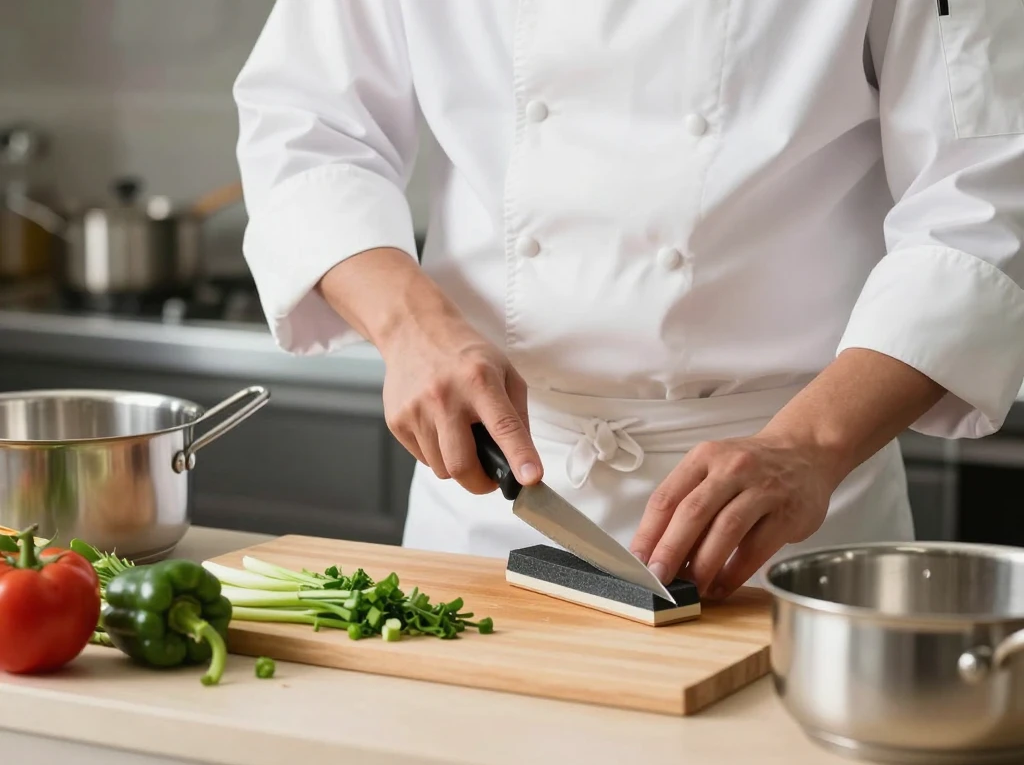
Chef-Level Cooking Hacks: Professional Secrets to Cook Like an Expert
Cooking is an art that combines creativity, knowledge, and technique. Professional chefs are not successful only because they know thousands of recipes; they understand how to bring out the best flavors, textures, and aromas from simple ingredients.
The good news is that you do not need years of culinary training to improve your cooking skills. By learning smart techniques and applying expert methods, you can create restaurant-quality meals in your own kitchen.
Welcome to Chef-Level Cooking Hacks, where we reveal powerful cooking secrets that can help beginners and home cooks prepare better, faster, and more flavorful dishes.
Why Professional Cooking Techniques Matter
Many people follow recipes but still struggle to achieve the same results as restaurants. The difference is often not the ingredients — it is the technique.
Professional chefs focus on:
- Proper preparation
- Flavor balance
- Heat control
- Quality ingredients
- Smart cooking methods
Mastering these areas can completely transform your kitchen experience.
Hack #1: Prepare Everything Before You Start Cooking
One of the biggest secrets of professional chefs is preparation.
Chefs follow a method called “mise en place,” which means having everything ready before cooking begins.
Before turning on the stove:
- Chop vegetables
- Measure spices
- Prepare sauces
- Arrange tools
- Organize ingredients
This simple habit makes cooking smoother and prevents mistakes.
A prepared kitchen allows you to focus on creating amazing flavors instead of rushing through steps.
Hack #2: Master the Power of Seasoning
Seasoning is the foundation of great cooking. The right amount of salt, spices, and herbs can completely change a dish.
Professional chefs do not simply add seasoning at the end. They build flavor throughout the cooking process.
Try these techniques:
- Season ingredients before cooking
- Add spices while they release their aroma
- Taste food during preparation
- Adjust flavors before serving
Remember, great flavor comes from balance, not from adding too many ingredients.
Hack #3: Control Your Cooking Temperature
Heat control separates average cooking from professional cooking.
Different foods require different temperatures:
- High heat creates browning and crispiness
- Medium heat allows even cooking
- Low heat develops deep flavors
Many cooking problems happen because food is cooked too quickly or too slowly.
Learning temperature control helps you achieve:
- Perfectly cooked meat
- Crispy vegetables
- Smooth sauces
- Better textures
Hack #4: Use Fresh Ingredients for Maximum Flavor
Professional chefs understand that ingredient quality matters.
Fresh ingredients naturally provide better taste, texture, and aroma.
Improve your meals by:
- Choosing seasonal produce
- Using fresh herbs
- Replacing old spices
- Selecting quality ingredients
Even a simple recipe can become impressive when made with fresh components.
Hack #5: Unlock Flavor With Proper Knife Skills
Knife skills are among the most important techniques in cooking.
Proper cutting improves:
- Cooking consistency
- Food appearance
- Preparation speed
Learn basic knife techniques:
- Chop vegetables evenly
- Slice ingredients carefully
- Mince garlic and herbs properly
- Keep your knife sharp
A sharp knife is not only more efficient but also safer to use.
Hack #6: Build Flavor With Layers
Great dishes usually contain multiple layers of flavor.
Professional chefs create depth by combining different elements:
- Aromatic ingredients like garlic and onions
- Herbs and spices
- Sauces and seasonings
- Fresh finishing touches
Instead of adding everything at once, allow each ingredient to develop its own flavor.
Hack #7: Learn the Magic of Aromatics
Aromatics create the foundation of many delicious dishes.
Common aromatics include:
- Garlic
- Onion
- Ginger
- Celery
- Fresh herbs
Cooking these ingredients properly releases powerful flavors and creates a delicious base for soups, sauces, and main dishes.
Hack #8: Do Not Ignore Texture
Flavor is not only about taste. Texture plays a major role in the overall eating experience.
Professional dishes often combine different textures:
- Crispy and creamy
- Soft and crunchy
- Smooth and juicy
For example, adding toasted nuts to a soft dish can create an exciting contrast.
Hack #9: Upgrade Simple Recipes With Small Changes
You do not always need complicated recipes to impress people.
Small upgrades can create big results:
- Add fresh herbs before serving
- Use homemade sauces
- Improve presentation
- Add a finishing touch of flavor
A simple meal can feel luxurious with the right details.
Hack #10: Taste Your Food Like a Chef
Professional chefs constantly taste their dishes.
Tasting helps you understand:
- If more seasoning is needed
- Whether flavors are balanced
- If the texture is correct
Developing this habit improves your cooking skills faster than simply following recipes.
Hack #11: Keep Your Kitchen Organized
A professional kitchen works efficiently because everything has a place.
Organize your kitchen by:
- Keeping frequently used tools nearby
- Labeling ingredients
- Storing spices properly
- Cleaning as you cook
An organized kitchen saves time and reduces cooking stress.
Hack #12: Learn From Cooking Mistakes
Every great cook makes mistakes. The difference is that professionals learn from them.
Common cooking lessons include:
- Too much salt can be balanced with other flavors
- Overcooked food needs better temperature control
- Bland dishes need stronger seasoning
Mistakes are opportunities to improve your skills.
Essential Chef Habits You Can Practice at Home
Developing professional habits can make a big difference.
Practice these habits:
- Read recipes completely before starting
- Prepare ingredients first
- Keep tools clean
- Experiment with flavors
- Take notes on successful dishes
Small habits create long-term improvement.
How to Develop Restaurant-Quality Cooking Skills
Becoming a better cook requires practice and curiosity.
Improve your skills by:
- Trying new cuisines
- Learning different techniques
- Watching professional cooking methods
- Practicing regularly
- Experimenting with ingredients
Cooking is a skill that grows with experience.
Final Thoughts: Bring Chef-Level Skills Into Your Kitchen
Chef-Level Cooking Hacks are not about complicated techniques or expensive equipment. They are about understanding the basics, improving your methods, and creating food with confidence.
By mastering preparation, seasoning, heat control, ingredient selection, and presentation, you can take your everyday cooking to a professional level.
Your kitchen has unlimited potential. With the right techniques and a passion for learning, every meal can become a chef-inspired experience.