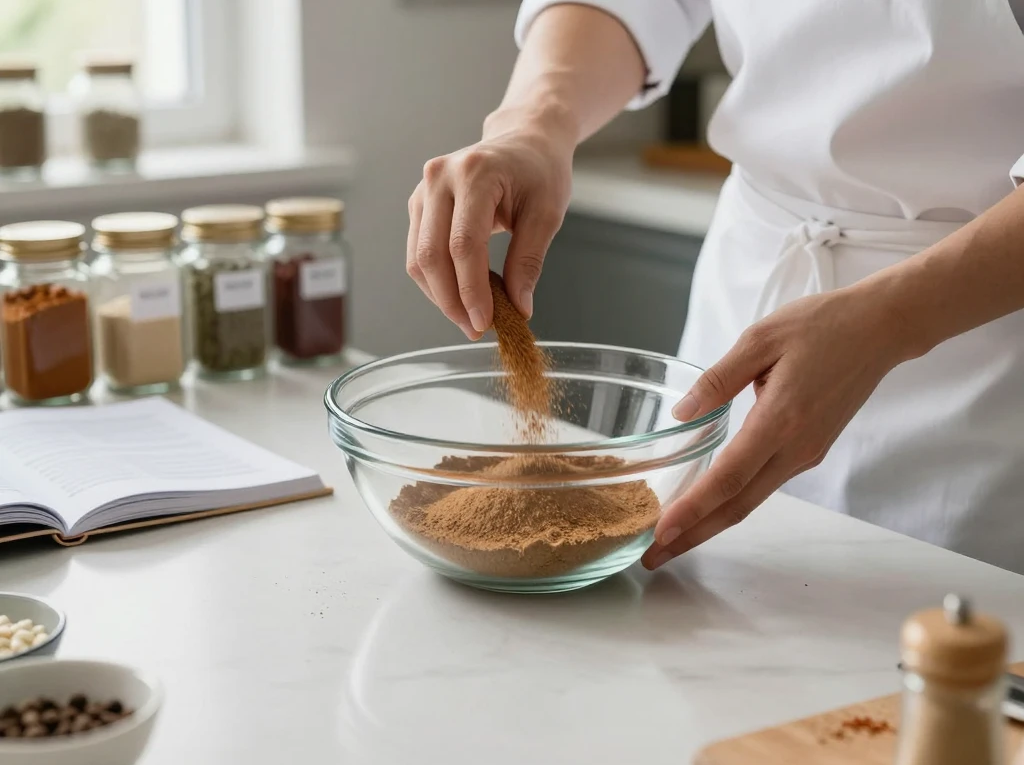
Flavor Secrets Revealed: Unlock the Hidden Techniques Behind Delicious Cooking
Food is not just about filling your stomach; it is about creating experiences, memories, and emotions. A perfectly prepared meal can bring people together and turn an ordinary moment into something special. But what makes some dishes taste unforgettable while others feel ordinary?
The answer lies in understanding the hidden world of flavors.
Welcome to Flavor Secrets Revealed, where we explore the powerful techniques, simple tricks, and expert cooking methods that help transform everyday meals into extraordinary culinary experiences.
Whether you are a beginner learning basic cooking skills or a passionate home chef looking to improve, these flavor secrets will help you create dishes that are richer, more balanced, and more enjoyable.
Understanding the Science of Flavor
Flavor is a combination of taste, aroma, texture, and appearance. Many people think taste comes only from ingredients, but professional chefs know that the cooking process plays an equally important role.
The five basic tastes are:
- Sweet
- Salty
- Sour
- Bitter
- Umami
A great dish usually contains a balance of these flavors. When one flavor becomes too strong, the dish may feel incomplete.
For example:
- A little salt can enhance sweetness.
- Lemon juice can brighten heavy flavors.
- Spices can add warmth and depth.
- Herbs can create freshness.
Understanding this balance is the first step toward unlocking amazing flavors.
The Power of Fresh Ingredients
One of the biggest secrets behind delicious cooking is using fresh, high-quality ingredients.
Fresh ingredients naturally contain stronger flavors and better textures. A ripe tomato, fresh herbs, and quality spices can completely change the final result of a recipe.
Choose ingredients carefully:
- Buy seasonal vegetables when possible.
- Use fresh herbs for stronger aroma.
- Store spices properly to maintain flavor.
- Select quality oils and basic ingredients.
Great cooking begins before you even turn on the stove.
The Secret Role of Seasoning
Seasoning is one of the most important skills in cooking. Many home cooks add salt and spices only at the end, but professional chefs season throughout the cooking process.
Adding seasoning in layers creates deeper and richer flavors.
Try these techniques:
- Season vegetables before roasting.
- Add spices while cooking to release their aroma.
- Taste your food at different stages.
- Adjust flavors before serving.
Small adjustments can create a big difference in your final dish.
Unlocking Flavor Through Cooking Techniques
The same ingredients can taste completely different depending on how they are cooked.
Roasting for Rich Flavor
Roasting brings out natural sweetness and creates beautiful textures. The high heat allows ingredients to develop deeper flavors.
Perfect for:
- Vegetables
- Meat
- Nuts
- Potatoes
Sautéing for Quick Flavor
Sautéing ingredients quickly in oil helps release aromas and creates a delicious base for many dishes.
Garlic, onions, and spices become much more flavorful when cooked properly.
Slow Cooking for Deep Taste
Slow cooking allows flavors to blend together over time. This method is ideal for soups, stews, and comfort foods.
Patience is often the secret ingredient.
The Magic of Herbs and Spices
Herbs and spices are powerful tools that can transform simple meals into unforgettable dishes.
Popular flavor boosters include:
Garlic
Garlic adds a strong, rich taste and works well in countless cuisines.
Fresh Herbs
Basil, coriander, parsley, and mint add freshness and brightness.
Warm Spices
Cinnamon, cumin, paprika, and turmeric create depth and complexity.
Chili and Peppers
Spicy ingredients add excitement and enhance other flavors.
Learning how to combine herbs and spices is like learning a new language of cooking.
Creating Perfect Flavor Combinations
Some ingredients naturally work well together because their flavors complement each other.
Examples include:
- Tomato and basil
- Lemon and garlic
- Chocolate and coffee
- Honey and cinnamon
- Cheese and herbs
Experimenting with combinations helps you develop confidence and creativity in the kitchen.
The Importance of Texture in Flavor Experience
Flavor is not only about taste. Texture plays a major role in how we enjoy food.
A great dish often includes different textures:
- Crispy toppings
- Soft vegetables
- Creamy sauces
- Tender proteins
Adding contrast makes meals more exciting and memorable.
For example, a creamy soup becomes more enjoyable with crunchy bread on the side.
Restaurant Secrets You Can Use at Home
Professional chefs use small techniques that anyone can apply in their own kitchen.
Use Fresh Finishing Ingredients
Adding a final touch can completely improve a dish.
Try:
- A squeeze of lemon
- Fresh herbs
- A drizzle of olive oil
- A sprinkle of spices
Do Not Rush the Cooking Process
Allow ingredients enough time to develop flavor. Rushing often creates bland results.
Taste and Adjust
The best cooks constantly taste their food and make improvements before serving.
Common Flavor Mistakes to Avoid
Even simple mistakes can reduce the quality of your meals.
Using Too Many Spices
More spices do not always mean better flavor. Balance is more important than quantity.
Forgetting Acidity
A little acidity from lemon, vinegar, or tomatoes can make flavors brighter.
Poor Ingredient Storage
Old spices and improperly stored ingredients lose their power.
Ignoring Presentation
People enjoy food with their eyes first. A beautiful presentation improves the overall experience.
How to Develop Your Own Cooking Style
Every great cook has a unique style. Developing yours requires curiosity and practice.
You can improve by:
- Trying new recipes
- Exploring different cuisines
- Keeping notes about successful dishes
- Learning from cooking mistakes
- Experimenting with flavors
Cooking becomes exciting when you stop following rules blindly and start creating.
Simple Ways to Make Everyday Meals Extraordinary
You do not need complicated recipes to create amazing food.
Small upgrades can make a big impact:
- Add fresh toppings.
- Improve seasoning.
- Use homemade sauces.
- Mix different textures.
- Present food beautifully.
Simple meals can become memorable with thoughtful details.
Final Thoughts: Discover the True Secrets of Flavor
Flavor Secrets Revealed teaches us that incredible cooking is not only about expensive ingredients or complicated techniques. It is about understanding balance, using quality ingredients, and adding creativity.
Every kitchen has the potential to create amazing flavors. By mastering seasoning, cooking methods, herbs, spices, and presentation, you can transform ordinary meals into unforgettable experiences.
The secret to great cooking is already in your hands — it is waiting to be discovered.